
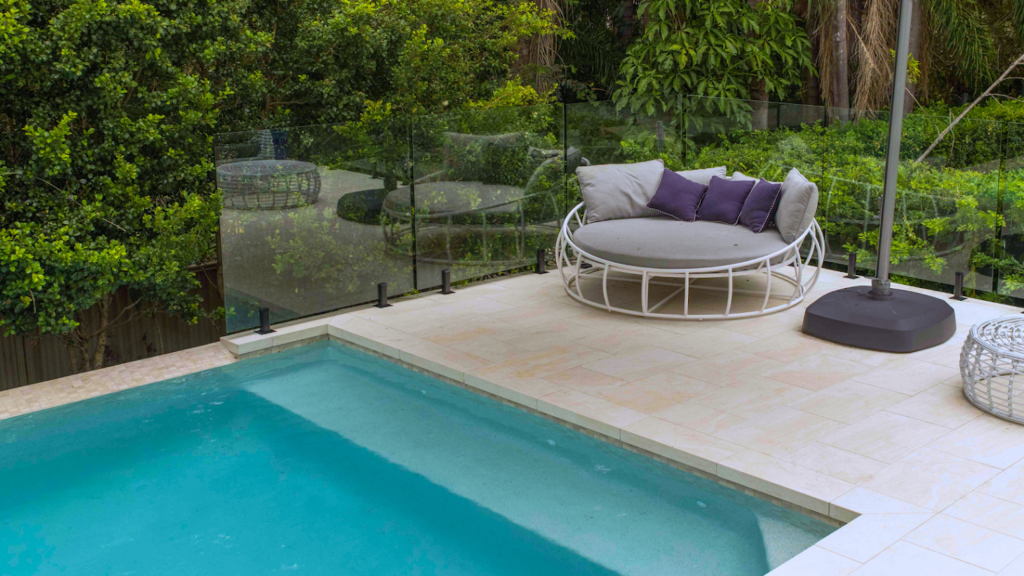
Brisbane’s climate is kind to pool owners for most of the year, but anyone who’s dipped a toe in during June or July knows the water cools down fast once the sun loses its bite. If you want to swim comfortably outside the peak summer months, some form of pool heating Brisbane homeowners can rely on is worth thinking about — the only real question is which system fits your pool, your budget and how you actually use it.
There isn’t a single right answer. A heat pump, a solar system and a gas heater all do the same basic job — adding warmth to the water — but they go about it in very different ways, with different costs attached at the front end and over the years that follow.
Quick Answer: Heat Pump vs Solar vs Gas
If you want the short version before we get into the detail:
- Heat pumps are the most popular choice for Brisbane pools that get regular use across three or four seasons. They’re efficient to run, provide consistent heating regardless of sun exposure, and suit both residential and commercial pools.
- Solar pool heating is the cheapest to run once installed, since it uses free energy from the sun, but output depends on roof space, orientation and how much sunlight is available on a given day.
- Gas pool heaters heat water faster than any other option and work well for occasional or event-based use, but they typically cost more to run over time, especially with rising gas prices.
The right pick genuinely depends on how often you swim, what temperature you want, whether you’re heating a small plunge pool or a large lap pool, and how much you’re prepared to spend upfront versus ongoing.
How Pool Heat Pumps Work
A pool heat pump doesn’t generate heat directly — it extracts warmth from the surrounding air and transfers it into the pool water, similar in principle to a reverse-cycle air conditioner. Because it’s moving heat rather than creating it from scratch, it uses relatively little electricity to produce a meaningful amount of warmth.
Advantages of heat pumps:
- Efficient running costs relative to the heat output produced
- Works day or night, and isn’t dependent on direct sunlight
- Suitable for pools used regularly across autumn, winter and spring
- Long operating lifespan when properly maintained
Limitations of heat pumps:
- Higher upfront cost than a basic gas heater in some cases
- Efficiency drops as outdoor air temperature drops, so very cold mornings take longer to recover from
- Needs adequate airflow around the unit, so placement matters
For Brisbane’s climate — mild winters rather than genuinely cold ones — a pool heat pump Brisbane installation tends to perform well, since the outside air rarely gets cold enough to seriously hamper its efficiency.
How Solar Pool Heating Works
Solar pool heating circulates pool water through panels (usually mounted on the roof) where it’s warmed by the sun before returning to the pool. It’s a simple, well-established technology, and for many Brisbane properties with good northerly roof exposure, it’s a genuinely effective option.
Advantages of solar heating:
- Once installed, running costs are minimal — you’re using sunlight, not mains energy
- No ongoing fuel or high electricity draw
- Environmentally the lightest-footprint option of the three
Limitations of solar heating:
- Performance depends on roof space, orientation and shading
- Heating slows or stops on overcast days and overnight
- Less predictable during winter, when the sun sits lower and days are shorter
Solar pool heating Brisbane systems generally extend the swimming season rather than guaranteeing a warm pool on demand every single day. For pool owners chasing consistent year-round temperatures, solar is often paired with another heat source rather than relied on alone — something the team at REA Solar can help you weigh up alongside your existing solar panel setup, particularly for residential properties in Brisbane.
How Gas Pool Heating Works
A gas pool heater Brisbane installation burns natural gas or LPG to heat water rapidly, independent of weather or time of day. It’s the fastest way to bring a cold pool up to temperature, which makes it a strong option for anyone who wants the pool ready on short notice — before a weekend gathering, for example, rather than as a daily heat source.
Advantages of gas heating:
- Fastest heat-up time of the three options
- Performance isn’t affected by outdoor temperature or sunlight
- Well suited to occasional or event-driven use
Limitations of gas heating:
- Running costs are typically higher than heat pumps or solar, particularly with frequent use
- Requires a gas connection or bottled gas supply
- Not the most economical choice for pools heated continuously across several months
Pool Heating Costs: Installation vs Running Costs
One of the most common points of confusion is mixing up what a system costs to install with what it costs to run. They’re separate questions, and the cheapest system to install isn’t always the cheapest over time.
| System | Typical Upfront Cost | Typical Running Cost | Heating Speed |
| Solar | Moderate to high (depends on panel area) | Lowest — relies on sunlight | Slow to moderate |
| Heat pump | Moderate to high | Low to moderate | Moderate |
| Gas | Lower to moderate | Highest with frequent use | Fastest |
We haven’t included specific dollar figures here, because pool heating system prices vary significantly based on pool size, the heater’s capacity, site access and whether existing infrastructure (gas lines, electrical capacity, roof space) needs upgrading. A heat pump pool heater cost or pool heating Brisbane cost for your particular pool is something worth getting quoted properly rather than estimating from generic figures, since two similarly sized pools can have very different heating needs depending on shade, wind exposure and desired temperature.
Which Pool Heating Option Is Most Cost-Effective?
For pools used often — daily laps, a family that swims most afternoons, or a commercial pool with regular patronage — a heat pump usually offers the best balance between upfront investment and ongoing running costs. Solar can be the more cost-effective option long-term if your roof orientation supports it well and you’re comfortable with heating that varies with the weather. Gas tends to suit lower-frequency use, where the convenience of fast heating outweighs the higher cost per hour of operation.
Many Brisbane pool owners land on a hybrid approach — solar as the base layer, backed up by a heat pump for cloudy stretches or cooler months — which spreads the running cost while still delivering consistent water temperature.
Which System Suits Different Pool Owners?
- Casual swimmers, occasional entertaining: Gas offers convenience without a large upfront commitment to daily heating.
- Regular swimmers, three-season use: A heat pump generally delivers the most reliable balance of cost and comfort.
- Environmentally conscious owners with good roof exposure: Solar, potentially paired with a heat pump as backup.
- Commercial or high-usage pools: Heat pumps are common here, since consistent, predictable running costs matter more than rapid heat-up.
Best pool heating Brisbane solutions are rarely one-size-fits-all — the right system reflects your pool’s size, your household’s swimming habits and your appetite for upfront versus ongoing spend.
The Role of Pool Covers and Automation
Whichever heating system you choose, a pool cover reduces evaporation and heat loss overnight, which means less energy is needed to maintain temperature the next day. Pairing this with smart automation — scheduling heating around usage patterns rather than running continuously — can meaningfully reduce running costs across all three heating types. We’ve covered this in more depth in our guide to Smart Pool Automation & Energy-Efficient Systems for Magnesium Pools, which looks at how automation and energy efficiency work together for magnesium pools specifically.
Why Professional Advice Matters
Choosing between heat pump, solar and gas isn’t just about the heater itself — pool size, water volume, insulation, shading, wind exposure and how the pool is actually used all affect which system will perform well and which will underdeliver. Getting advice from someone who looks at the whole pool system, rather than just selling a single product, tends to produce a better long-term outcome than picking a heater in isolation.
Why Trust Cyberpools
Cyberpools builds magnesium pools in Redland Bay and the surrounding Brisbane area, and works with clients on the pool as a complete system — not just the shell and the water chemistry, but how heating, energy efficiency and automation fit together for the way a household actually uses its pool. If you’re planning a new build, it’s also worth reading our guide on How Much Does a Magnesium Pool Cost in Brisbane? to understand how heating choices factor into the overall investment.
Because every property is different, we talk through pool size, orientation, usage patterns and budget before recommending a heating approach, rather than defaulting to the same system for every customer.
Call Cyberpools on 1300 473 691 or contact the team online at cyberpools.com.au/contact-us.
Conclusion
There’s no universal winner in the heat pump vs solar vs gas debate — each system suits a different pattern of pool use. Heat pumps offer efficient, consistent heating for regular swimmers. Solar delivers low running costs where roof exposure allows it. Gas provides fast, on-demand heating for occasional use. The right decision comes down to matching the system to your pool, your habits and your budget — not to picking whichever option sounds most impressive on paper.
FAQs
How much does it cost to install pool heating in Brisbane?
Installation costs vary depending on the type of system, pool size and any site-specific work required, such as electrical upgrades for a heat pump or roof space for solar panels. Getting a quote based on your specific pool is the only reliable way to know actual figures for your property.
How much does it cost to heat a pool in Brisbane?
Ongoing heating costs depend on pool size, target temperature, how many months of the year you heat, and which system you use. Solar has the lowest ongoing cost since it draws on sunlight rather than mains energy, while gas tends to be the most expensive per hour of operation.
Are pool heat pumps worth it in Brisbane?
For pool owners who swim regularly outside of peak summer, yes — Brisbane’s mild winters suit heat pump technology well, since it doesn’t rely on strong sunlight and remains efficient even on cooler days.
Is solar pool heating better than a heat pump?
Neither is universally “better” — solar has lower running costs but is weather-dependent, while a heat pump delivers more consistent heating regardless of cloud cover. Many pool owners use both together for a more reliable result.
