
An inground concrete pool is built for durability, but it still requires regular maintenance to keep the water clean, protect the pool surface, and extend the life of its equipment. Simple tasks such as balancing the water, cleaning the pool, and maintaining the filtration system can help prevent costly repairs and keep your pool looking its best throughout the year.
Queensland’s warm climate means pools are often used more frequently, making a consistent maintenance routine even more important. Whether you’ve recently built a concrete pool or have owned one for years, these practical tips will help you maintain safe, clear water and protect your investment.
If you’re wondering how to properly maintain your pool without overcomplicating things, this guide covers the essential maintenance tasks every Queensland pool owner should know. From balancing water chemistry and cleaning your pool to maintaining the filtration system and preventing common problems, you’ll learn practical tips to help keep your concrete pool in excellent condition all year round.
Why Proper Maintenance Matters
An inground concrete pool is durable and built to last, but it’s not maintenance-free. Regular care helps you:
- Protect your pool surface from staining and wear
- Maintain safe, balanced water
- Avoid costly repairs down the track
- Keep your pool looking crystal clear year-round
Many homeowners researching inground concrete pool cost quickly realise that maintenance plays a big role in protecting that investment long-term.
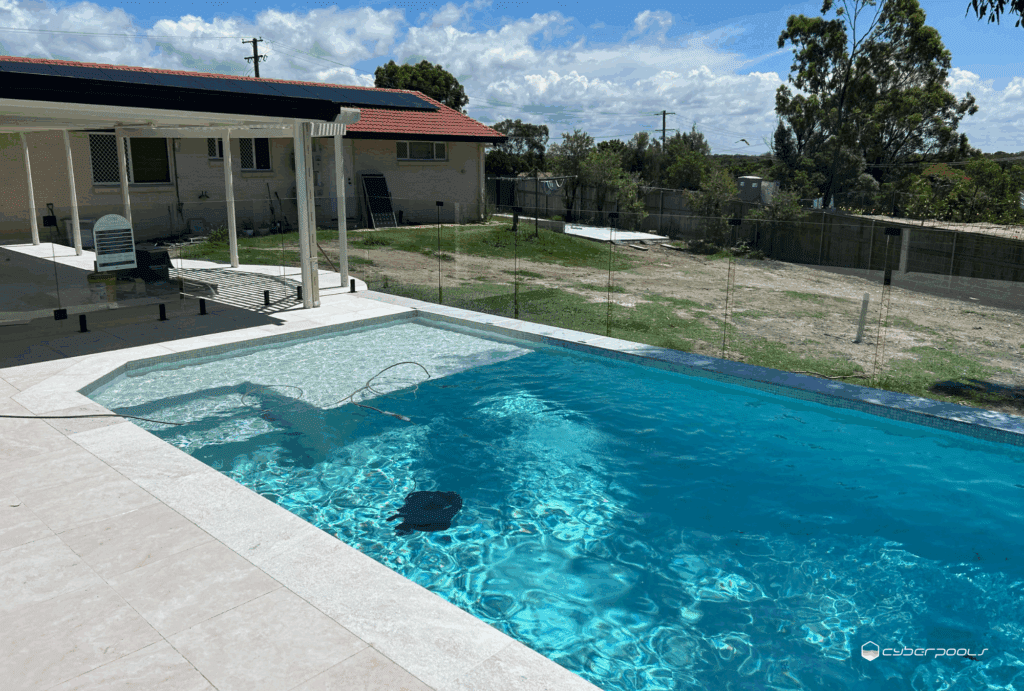
Keep Your Water Balanced
Balanced water is one of the most important parts of maintaining an inground concrete pool. Incorrect water chemistry can lead to algae growth, stained surfaces, equipment damage, and uncomfortable swimming conditions.
Regularly test and monitor:
- pH (7.2–7.6)
- Total alkalinity
- Sanitiser levels
- Calcium hardness
If your concrete pool uses a mineral pool system, you’ll also need to monitor mineral levels to ensure the system continues operating efficiently.
Testing your water weekly helps identify small issues before they become expensive repairs.
Clean Your Pool Consistently
A clean pool is a safe pool. Leaves, dirt, and debris can build up quickly, especially after storms.
Make it a habit to:
- Skim the surface daily if possible
- Brush walls and steps weekly
- Vacuum or use an automatic cleaner regularly
Whether you own a full-size pool or a compact round concrete plunge pool, consistent cleaning keeps algae and staining at bay.
Maintain Your Filtration System
Your filtration system continuously removes dirt, debris, and fine particles from the water, making it one of the most important components of your pool.
To keep it performing efficiently:
- Run the pump for the recommended number of hours each day, especially during summer.
- Clean or backwash the filter according to the manufacturer’s recommendations.
- Empty skimmer and pump baskets regularly.
- Check for leaks, unusual noises, or reduced water flow.
A well-maintained filtration system helps improve water clarity while reducing strain on your pool equipment.
Monitor Water Levels
Queensland heat means evaporation is constant. Heavy rain can also dilute your pool water.
- Keep water at mid-skimmer level
- Top up during dry periods
- Drain excess water after storms if needed
Whether you own a compact plunge pool or a full-size inground concrete pool, maintaining the correct water level helps ensure efficient filtration and protects your pool equipment.
Inspect Your Pool Surface
Concrete pools are built to last, but regular inspections help prevent small issues from becoming major repairs.
Look for:
- Surface cracks
- Stains or discolouration
- Rough patches
- Signs of scale build-up
- Damaged expansion joints
Addressing these issues early helps protect your pool finish and reduce long-term maintenance costs.
In addition to the pool shell, pay attention to the surrounding area. Regularly cleaning or soft washing the stone tiles and pool surrounds helps remove dirt, mould, and slippery build-up, keeping the area safer while maintaining the appearance of your outdoor space.
Why Queensland Homeowners Trust Cyberpools
Whether your concrete pool uses a traditional chlorine, saltwater, or mineral system, following a regular maintenance routine is essential for maintaining water quality, protecting your pool surface, and extending the life of your equipment. While many maintenance tasks can be handled by homeowners, professional advice can help prevent costly issues and keep your pool performing at its best.
When it comes to building and maintaining an inground concrete pool, experience matters. At Cyberpools, we specialise in magnesium and concrete pool systems designed specifically for Australian conditions.
Here’s why clients choose us:
- Proven expertise in concrete pool construction
- Advanced magnesium systems for softer, healthier water
- Custom designs tailored to Queensland homes
- Transparent guidance from design through to maintenance
- Strong reputation backed by real client results
Cyberpools focuses on delivering premium-quality concrete pools designed for Queensland lifestyles, with expert advice and ongoing support to help homeowners keep their pools performing at their best for years to come.
Different Sanitising Systems for Concrete Pools
Concrete pools can use different water treatment systems depending on the owner’s preferences.
Common options include:
- Traditional chlorine systems
- Saltwater chlorination
- Mineral pool systems
Each system requires regular water testing and equipment maintenance, although mineral pools also require routine monitoring of mineral levels.
If your concrete pool uses a magnesium system, read our complete Mineral Pool Maintenance Guide for more detailed care instructions.
Ready to build or upgrade your inground concrete pool?
Get expert advice tailored to your home, lifestyle, and Queensland conditions.
Call Cyberpools today on 1300 473 691 or contact us online to get started.
Let’s create a pool you’ll enjoy for years to come—designed for performance, comfort, and easy maintenance.
FAQs
How often should I clean an inground concrete pool?
Regular cleaning should be carried out at least once a week, including skimming debris, brushing pool surfaces, and vacuuming the floor. During summer or periods of heavy use, more frequent cleaning may be required to maintain clear water.
How often should I test my pool water?
Pool water should generally be tested once a week and after heavy rainfall or extended pool use. Regular testing helps maintain balanced water chemistry and protects both swimmers and pool equipment.
How long should I run my pool pump each day?
Most concrete pools require the pump to run between 8 and 12 hours per day during warmer months, depending on pool size, filtration system, and usage. Running the pump long enough ensures proper circulation and filtration.
How can I prevent algae in my concrete pool?
Maintaining balanced water chemistry, keeping the filtration system clean, brushing pool surfaces regularly, and ensuring adequate sanitiser levels are the most effective ways to prevent algae growth.
Do concrete pools require resurfacing?
Yes. Over time, concrete pool surfaces naturally wear due to weather, water chemistry, and regular use. The timing depends on the pool finish and maintenance history, but routine inspections help identify when resurfacing may be needed.
