
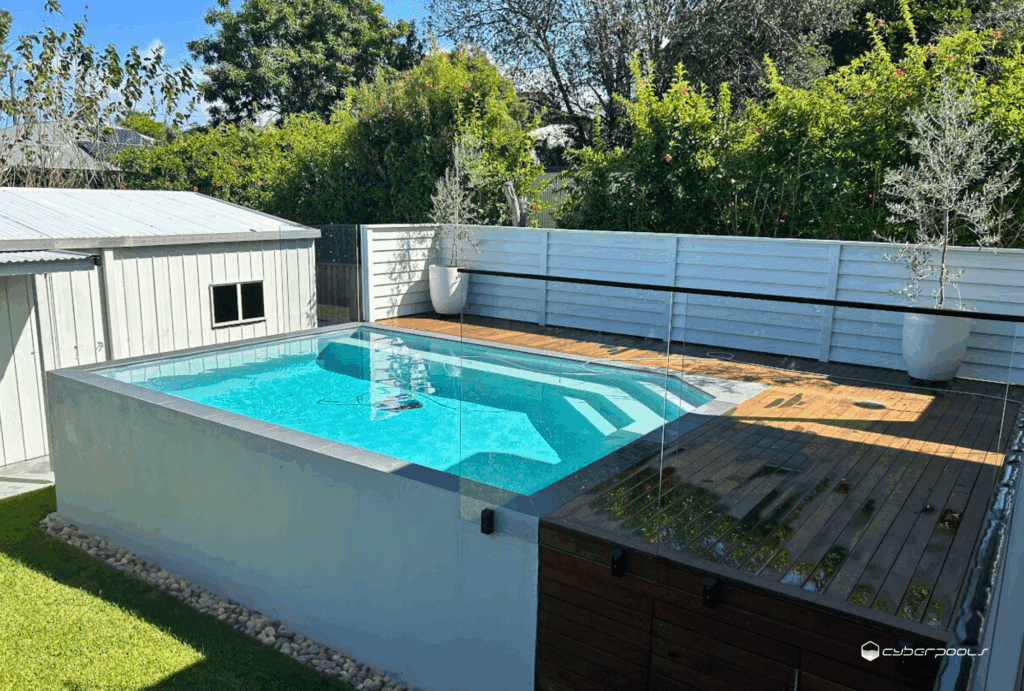
If you’re planning a new swimming pool, one of the biggest decisions you’ll make isn’t just the shape or size—it’s the type of water system you’ll use. While chlorine and saltwater pools have been popular for decades, magnesium pools are becoming the preferred choice for many Brisbane homeowners looking for a healthier, lower-maintenance, and more comfortable swimming experience.
If you’ve been comparing a magnesium pool vs saltwater pool or wondering whether a magnesium pool vs chlorine pool is worth the investment, this guide explains the key differences to help you choose the right system for your lifestyle and Queensland’s climate.
Quick Comparison: Magnesium Pool vs Saltwater Pool vs Chlorine Pool
| Feature | Magnesium Pool | Saltwater Pool | Chlorine Pool |
| Water Feel | Soft, silky, luxurious | Softer than chlorine | Standard pool water |
| Skin & Eye Comfort | Excellent – low irritation | Good – still produces chlorine | Can cause dryness and irritation |
| Hair Friendly | Yes | Moderate | Can dry hair over time |
| Chemical Usage | Low | Moderate | Highest |
| Water Clarity | Excellent natural clarity | Good | Good with regular treatment |
| Maintenance | Low to moderate | Moderate | Moderate to high |
| Running Costs | Moderate | Moderate | Moderate |
| Wellness Benefits | Magnesium-rich water may promote relaxation and muscle recovery | No additional mineral benefits | No additional wellness benefits |
| Best For | Families, frequent swimmers, luxury pools | General residential pools | Budget-conscious installations |
For homeowners researching the best pool water type Brisbane, magnesium systems offer an excellent balance of comfort, water quality, and long-term enjoyment.
Understanding the Three Pool Systems
Magnesium Pools
A magnesium pool uses a mineral blend, primarily magnesium chloride, together with low levels of sanitiser to keep the water clean and safe. Rather than relying heavily on chlorine, the mineral system creates water that feels noticeably softer and more comfortable to swim in.
Many homeowners choose magnesium pools because they offer:
- Softer-feeling water
- Reduced skin and eye irritation
- Lower reliance on harsh chemicals
- Crystal-clear water
- A luxurious swimming experience
While research into therapeutic benefits continues, many swimmers report feeling more relaxed after spending time in magnesium-rich water, particularly after exercise or long days outdoors.
Saltwater Pools
When comparing a magnesium pool vs saltwater pool, it’s important to understand that saltwater pools still generate chlorine.
A salt chlorinator converts salt into chlorine through electrolysis, meaning sanitation still relies on chlorine, although typically at lower levels than traditional pools.
Saltwater pools provide:
- Gentler water than chlorine pools
- Less manual chemical dosing
- Automated chlorine generation
- Reliable sanitation
However, some swimmers still experience dry skin, irritated eyes, or faded swimwear due to the chlorine that is continuously produced.
Chlorine Pools
Traditional chlorine pools use manually added chlorine to disinfect the water.
They remain a popular and affordable option, particularly for existing pools, but they generally require:
- More frequent chemical balancing
- Regular chlorine additions
- Greater monitoring of water quality
- Higher potential for skin, eye, and hair irritation
For families who swim regularly throughout Brisbane’s long summer season, these factors often encourage consideration of mineral alternatives.
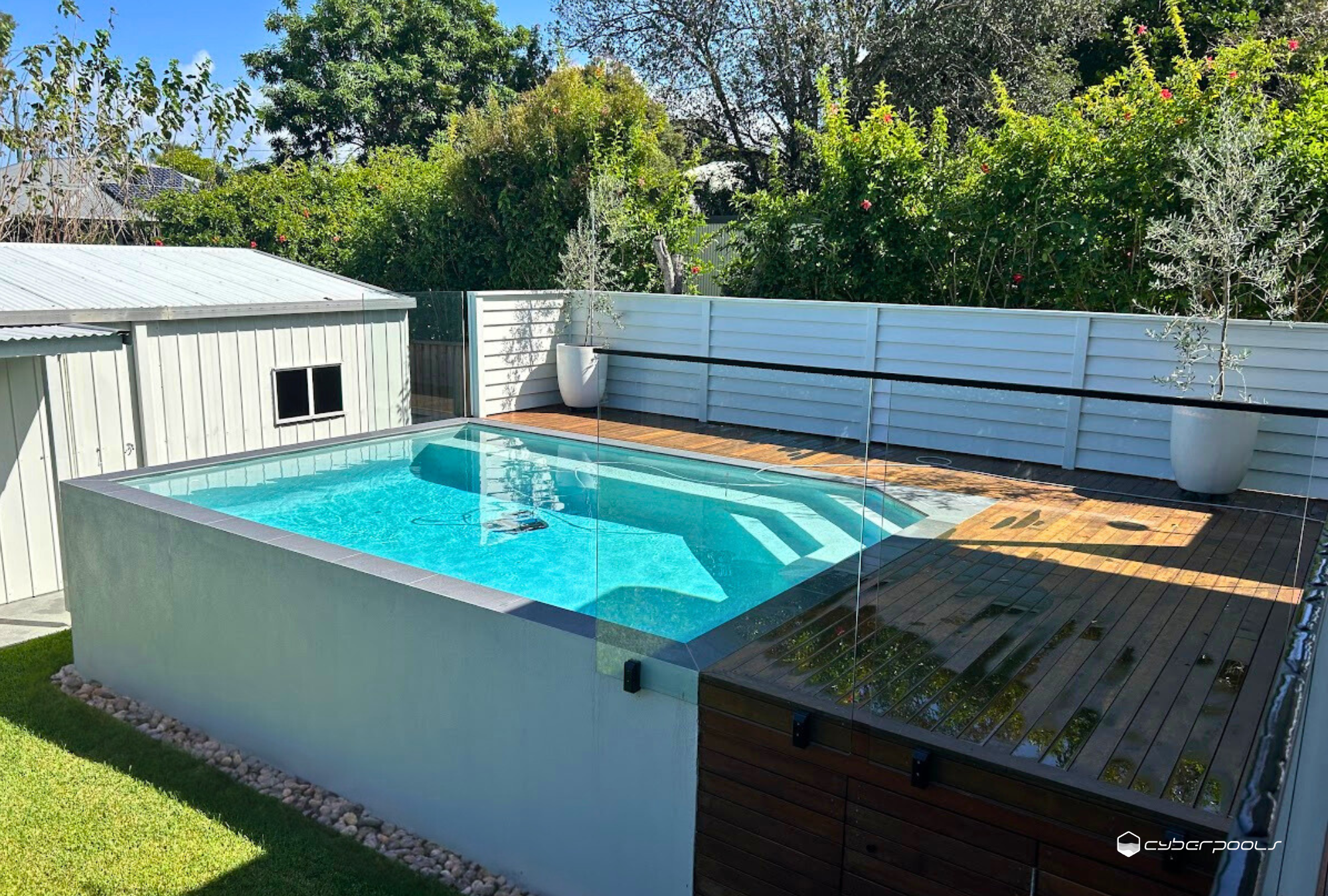
Magnesium Pool vs Saltwater Pool: Which Feels Better?
One of the biggest differences people notice is how the water feels.
A mineral pool vs saltwater pool comparison often comes down to comfort.
Magnesium water typically feels:
- Smooth and silky
- Softer on the skin
- Less drying
- More comfortable for extended swimming
Saltwater pools generally feel softer than chlorine pools but still contain chlorine, which can contribute to dryness over time.
Many homeowners notice the difference almost immediately after entering a magnesium pool.
Magnesium Pool vs Chlorine Pool: Which Is Better?
When comparing a magnesium pool vs chlorine pool, the differences become even more noticeable.
Water Comfort
Magnesium pools are considerably gentler on sensitive skin and eyes.
Traditional chlorine pools can leave swimmers with:
- Red eyes
- Dry skin
- Dry hair
- Strong chlorine smell
Chemical Use
Magnesium systems require significantly fewer harsh chemicals than conventional chlorine pools.
Lower chemical demand often results in:
- Easier water balancing
- Improved swimmer comfort
- Reduced chemical handling
Overall Swimming Experience
For homeowners who swim regularly or have children, magnesium pools generally provide a more enjoyable experience throughout the year.
Who Should Choose a Magnesium Pool?
A magnesium pool is an excellent choice if you:
- Swim several times each week
- Have young children
- Have sensitive skin or allergies
- Want lower chemical exposure
- Prefer luxury swimming experiences
- Value crystal-clear water
- Are building a premium concrete pool
Many Brisbane homeowners also appreciate that magnesium pools complement outdoor entertaining areas by creating a resort-style backyard.
Who Should Choose a Saltwater Pool?
Saltwater pools may suit homeowners who:
- Already own a salt chlorinator
- Want automated chlorine production
- Prefer lower manual chemical additions than chlorine pools
- Want a familiar and proven pool system
Although saltwater remains a strong option, many new pool owners are choosing magnesium systems for their enhanced comfort and mineral-rich water.
When Is a Chlorine Pool the Right Choice?
A chlorine pool may still be suitable if:
- Initial installation budget is the highest priority
- You’re upgrading an older existing pool
- You already have established maintenance routines
- You’re comfortable managing water chemistry
With proper maintenance, chlorine pools continue to provide safe swimming, although they generally require more ongoing chemical management.
Brisbane Climate Considerations
Queensland’s warm weather means pools are often used for much longer periods than in cooler parts of Australia.
Longer swimming seasons make swimmer comfort increasingly important.
A magnesium pool performs particularly well in Brisbane because it offers:
- Comfortable water during frequent use
- Reduced chemical exposure throughout summer
- Excellent water clarity in warm conditions
- A pleasant swimming experience for families who use their pool year-round
Choosing the best pool water type Brisbane often comes down to how often your family swims. The more time spent in the water, the more noticeable the benefits of magnesium pools become.
Running Costs: Which Pool Costs Less?
Many homeowners ask which system is cheapest to operate.
The answer depends on maintenance habits, equipment, electricity usage, and water chemistry.
Generally:
- Chlorine pools usually require the highest ongoing chemical purchases.
- Saltwater pools reduce manual chlorine additions but still require chlorinator maintenance and salt replacement.
- Magnesium pools require mineral replenishment but often use fewer harsh chemicals and provide easier long-term water balance.
Rather than focusing only on operating costs, many Brisbane homeowners consider the overall value—including swimmer comfort, reduced chemical use, and long-term enjoyment.
Why Brisbane Homeowners Choose Cyberpools
Choosing the right pool builder is just as important as choosing the right water system. Working with a company that follows recognised Australian industry standards helps ensure quality construction, reliable workmanship, and long-term performance.
Cyberpools is proudly SPASA (Swimming Pool & Spa Association of Australia) certified, demonstrating a commitment to industry best practices and high-quality pool construction.
Homeowners across Brisbane, Redland City, and the Gold Coast trust Cyberpools because they provide:
- More than 10 years of pool building experience
- Custom-designed concrete magnesium pools
- In-house engineering expertise
- Premium construction materials suited to Queensland conditions
- Personalised pool designs for every property
- End-to-end project management
- Clear communication throughout every stage
- Ongoing advice for caring for your mineral pool
Rather than offering standard package pools, Cyberpools designs every pool around each family’s lifestyle, outdoor space, and long-term goals.
Ready to Build Your Magnesium Pool?
If you’re comparing a magnesium pool vs saltwater pool, the decision often comes down to the swimming experience you want for your family.
For homeowners seeking softer water, fewer harsh chemicals, improved comfort, and a premium backyard lifestyle, magnesium pools continue to be one of the most popular choices across Brisbane and South East Queensland.
The experienced team at Cyberpools can help you design a custom concrete magnesium pool tailored to your property and lifestyle.
Call 1300 473 691 or visit https://cyberpools.com.au/contact-us/ to book a consultation and discover whether a magnesium pool is the right choice for your home.
Frequently Asked Questions
Is a magnesium pool better than a saltwater pool?
For many homeowners, yes. Both systems use lower chemical levels than traditional chlorine pools, but magnesium pools also contain therapeutic minerals that create softer-feeling water and are generally gentler on skin and eyes. Many swimmers also prefer the silky feel and improved comfort of magnesium water.
Do magnesium pools need less maintenance than chlorine pools?
Generally, yes. Magnesium pools typically require fewer harsh chemical additions than chlorine pools while maintaining excellent water quality. Regular testing and balancing are still important, but ongoing maintenance is often simpler when the system is professionally installed and maintained.
Can you feel the difference between magnesium and saltwater?
Most swimmers notice the difference immediately. Magnesium water usually feels softer and silkier than saltwater, while many people also experience less skin dryness, eye irritation, and chlorine odour after swimming.
Which is cheaper to run: magnesium, saltwater, or chlorine?
Running costs vary depending on pool size, equipment, and maintenance. Chlorine pools generally have the highest ongoing chemical requirements, while saltwater pools require chlorinator servicing and salt replacement. Magnesium pools require periodic mineral replenishment but often use fewer harsh chemicals, making them a cost-effective long-term option for many Brisbane homeowners.
