
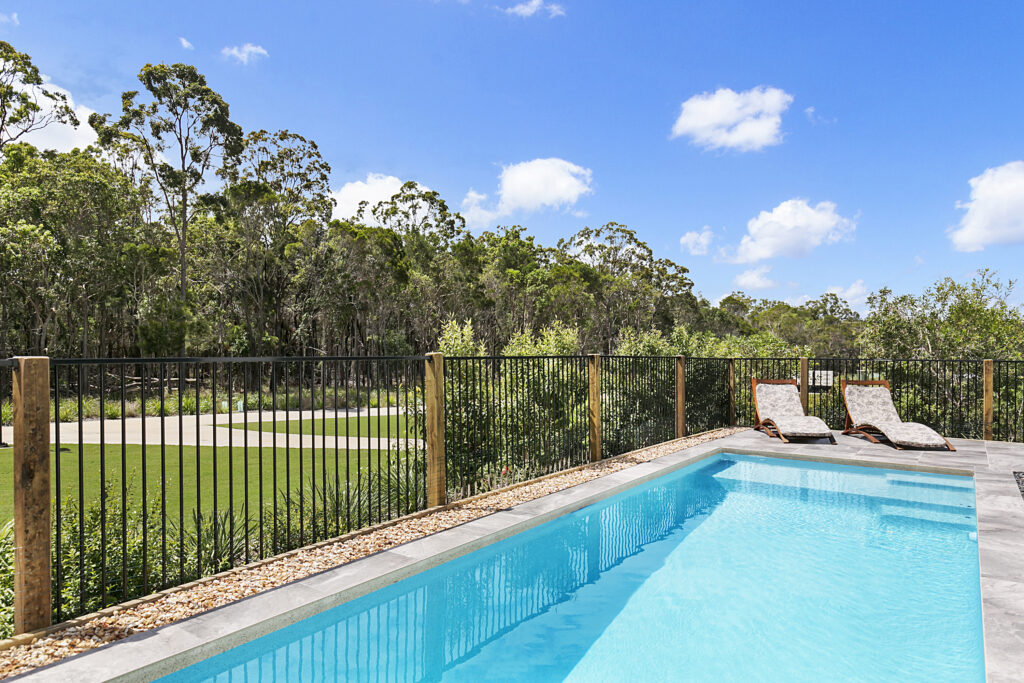
Thinking about upgrading your backyard pool? If you’re looking for softer water, lower maintenance, and a more luxurious swimming experience, it might be time to convert pool to magnesium. More Queensland homeowners are making the switch—and for good reason.
Magnesium mineral pools are known for their health benefits, gentle feel, and reduced chemical reliance. Whether you already have a saltwater or chlorine pool, converting is straightforward with the right system and expert guidance. Here’s everything you need to know before making the move.
Can You Convert an Existing Pool to Magnesium?
Yes. Most concrete, fibreglass, and existing saltwater pools can be converted to a magnesium mineral pool. In many cases, the existing equipment can be upgraded rather than completely replaced. A professional assessment will determine whether your chlorinator, filtration system and plumbing are suitable or require modification.
Why Convert Your Pool to Magnesium?
When you convert pool to magnesium, you’re not just changing your water—you’re improving your lifestyle. Magnesium-enriched water feels noticeably softer on the skin and eyes compared to traditional chlorine or salt systems. It’s especially beneficial in Queensland’s climate, where pools get heavy use year-round.
Compared to standard systems, pool magnesium offers a more natural swimming environment. Many homeowners report fewer irritations, less chemical smell, and a more relaxing swim. It’s also a great option for families wanting a healthier alternative for kids.
Queensland’s warm climate means many homeowners use their pools for most of the year. Higher temperatures and increased pool use can affect water balance and maintenance, making a professionally installed magnesium pool system an excellent choice for consistent water quality and comfort.
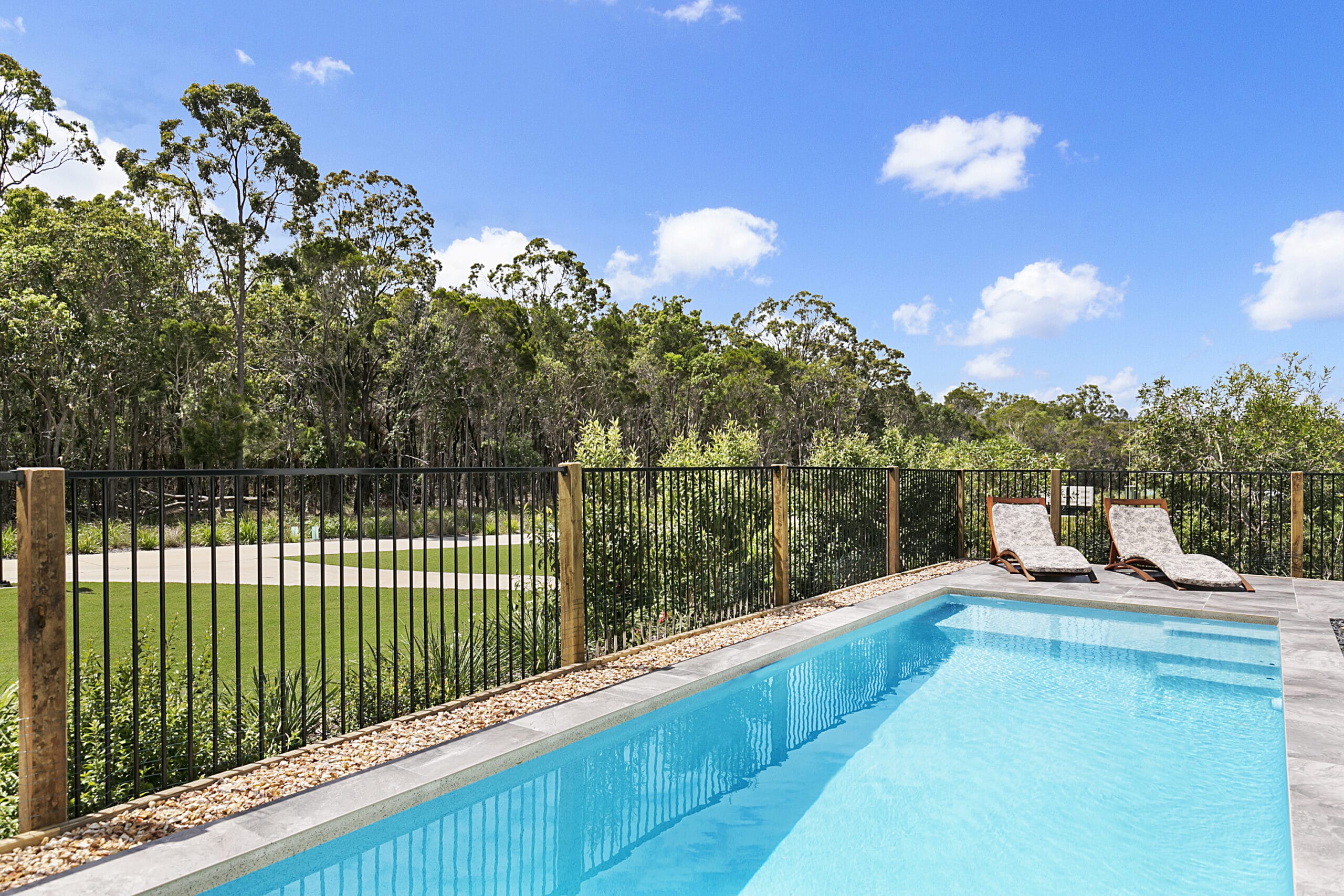
Magnesium vs Salt Pool: What’s the Difference?
When comparing a magnesium vs salt pool, the key difference lies in the minerals used. Traditional salt pools rely on sodium chloride, while magnesium systems use specially formulated magnesium pool salt blends that include magnesium chloride and other beneficial minerals.
These minerals don’t just sanitise the water—they enhance it. Swimmers often notice smoother skin, reduced dryness, and even muscle relaxation benefits. While salt pools are already an upgrade from chlorine, magnesium pools take it a step further in comfort and water quality.
Want a more detailed comparison? Read our guide on Magnesium vs Saltwater vs Chlorine Pools to compare water quality, maintenance, running costs, and overall swimming experience.
How to Convert Salt Water Pool to Magnesium
If you’re wondering how to convert salt water pool to magnesium, the process is simpler than you might think. In most cases, your existing pool equipment can be adapted or upgraded rather than completely replaced.
The conversion typically involves adjusting your chlorinator system and replacing standard salt with magnesium pool salt. A professional installer like Cyberpools ensures the system is properly calibrated for optimal performance. This is especially important in Queensland, where warm weather, frequent pool use, and seasonal rainfall can influence water chemistry and equipment performance.
The 4 Essential Components of a Magnesium Pool Conversion
A successful magnesium pool conversion involves more than simply replacing standard salt with magnesium minerals. Several components work together to maintain clean, balanced, and healthy pool water.
Magnesium Minerals
These specially formulated minerals create the soft, silky water magnesium pools are known for. They help reduce skin and eye irritation while providing a more enjoyable swimming experience.
Hydroxinator Control System

The Hydroxinator is the heart of the system, automatically managing sanitisation and helping maintain consistent water quality. Many systems also adjust output based on water temperature to improve efficiency.
Glass Filtration Media

Replacing traditional sand with glass filter media improves water clarity, captures finer particles, and can reduce maintenance requirements over time.
UV Sanitiser

A UV sanitiser provides an additional layer of protection by neutralising bacteria and other microorganisms as water passes through the system, helping maintain healthier pool water
What Happens During a Magnesium Pool Conversion?
Once your pool has been assessed and the required equipment is selected, the conversion process is usually straightforward. While every pool is different, most magnesium pool conversions follow these key steps:
- Assess the existing pool and test the water. A professional checks your pool equipment and water chemistry, including Total Dissolved Solids (TDS), to determine what’s required.
- Upgrade or install the magnesium system. This may include installing a Hydroxinator or compatible chlorination system and replacing outdated components if needed.
- Improve the filtration system. Many conversions include switching from traditional sand to glass filtration media for better water clarity and efficiency.
- Add magnesium minerals. The correct amount of magnesium minerals is added based on your pool’s size and water balance.
- Circulate and balance the water. The system runs continuously while the minerals dissolve and the water chemistry is adjusted to the recommended levels.
- Enjoy your upgraded magnesium pool. Once the water is balanced, your pool is ready to deliver softer water, reduced chemical use, and a more comfortable swimming experience.
Magnesium Pools Pros and Cons
Like any pool system, there are magnesium pools pros and cons, but the advantages far outweigh the drawbacks for most homeowners.
On the plus side, magnesium pools are gentler on skin and eyes, require fewer harsh chemicals, and provide a more enjoyable swimming experience. They’re also known for their therapeutic benefits, which can help with relaxation and recovery. On the downside, some people initially notice minor adjustments in water balance during setup, but this is easily managed by professionals. Overall, the benefits make magnesium pools a popular choice across Queensland.
Are There Any Downsides to a Magnesium Pool?
You might have heard about magnesium pools problems, but in reality, most concerns come down to incorrect setup or maintenance. When installed correctly, magnesium systems are reliable and easy to manage.
Working with experienced providers like Cyberpools eliminates these issues from the start. Their systems are designed specifically for Australian conditions, ensuring consistent water quality and performance. Instead of problems, most homeowners experience improved clarity, comfort, and reduced maintenance.
Like any pool system, magnesium pools require proper installation and routine water testing to perform at their best. Some older equipment may also need upgrading during the conversion process. However, with the right setup and ongoing maintenance, these are minor considerations compared to the long-term benefits of softer water, reduced chemical use, and a more enjoyable swimming experience.
Understanding Magnesium Pool Conversion Cost
The magnesium pool conversion cost can vary depending on your existing setup, pool size, and equipment. While it’s an investment, many homeowners find the long-term benefits—reduced chemical use, improved water quality, and lower maintenance—make it worthwhile.
Rather than focusing on upfront costs alone, it’s important to consider the overall value. A professionally installed magnesium system can enhance your pool experience and potentially reduce ongoing expenses over time.
Why Choose Cyberpools in Queensland?
When it comes to converting your pool, experience matters. Cyberpools is a trusted name in Queensland, known for delivering high-quality magnesium pool systems tailored to local conditions.
Cyberpools understands the unique demands of Queensland pools, including warm temperatures, high UV exposure, seasonal rainfall, and year-round swimming. Every magnesium pool conversion is tailored to suit your existing pool, helping ensure reliable performance, balanced water quality, and long-term efficiency.
Their team provides expert advice, reliable installation, and ongoing support to ensure your system performs at its best. With a strong reputation and customer-first approach, Cyberpools makes the transition to a magnesium pool smooth and stress-free.
If you’re ready to upgrade your pool, speak to the experts today. Call 1300 473 691 or visit Cyberpools to get started.
Make the Switch Today
There’s never been a better time to convert pool to magnesium and enjoy a healthier, more enjoyable swimming experience. With softer water, fewer chemicals, and long-term benefits, it’s an upgrade that truly transforms your pool.
Get in touch with Cyberpools today and discover how easy it is to make the change.
FAQs
Can you convert an existing pool to magnesium?
Yes, most existing concrete, fibreglass, and saltwater pools can be converted to a magnesium mineral pool. The process usually involves upgrading or modifying the pool’s sanitising system, adding magnesium minerals, and ensuring the filtration system is compatible. A professional assessment helps determine the best approach for your pool.
What are the disadvantages of a magnesium pool?
Magnesium pools may require a slightly higher initial setup compared to traditional systems. Some users experience a short adjustment period while water chemistry stabilises after installation. In rare cases, improper installation can lead to imbalances, which is why professional setup is important. Availability of specific mineral salts may vary depending on location. Overall, these disadvantages are minor when compared to the long-term benefits of improved water quality and comfort.
How much does it cost to convert a pool to a mineral pool?
The cost to convert a pool to a mineral system depends on factors such as pool size, existing equipment, and system requirements. Most conversions involve upgrading or modifying your current chlorinator and adding mineral blends. While the initial investment can vary, ongoing maintenance costs are often lower due to reduced chemical use. It’s best to get a tailored assessment for accurate pricing. Many homeowners find the long-term value justifies the conversion.
Are magnesium pools good for eczema?
Many homeowners find magnesium pools gentler on sensitive skin because they use fewer harsh chemicals than traditional chlorine pools. While magnesium water may help reduce skin irritation and dryness for some people, results vary from person to person. If you have a medical skin condition such as eczema, it’s best to seek advice from your healthcare professional.
Can you convert a saltwater pool to a magnesium pool?
Yes. In many cases, an existing saltwater pool can be converted to a magnesium pool by upgrading the chlorination system and replacing standard salt with magnesium mineral blends. The exact process depends on your current equipment and pool setup.
Can I just add magnesium to my existing pool?
No. Simply adding magnesium minerals to a standard pool will not create a true magnesium pool. A compatible sanitising system and correctly balanced water chemistry are needed to maintain water quality and achieve the benefits associated with magnesium pools.
