
Brisbane’s storm season runs from October to March, peaking December–February. Homeowners should complete pool, gutter, and solar panel checks in September to early October — before the first major storms arrive — and re-check each system after any significant storm event.
Brisbane’s storm season runs from approximately October through to March, with the most intense activity concentrated in the months of December through February. For homeowners, this is the period when the outdoor systems that make Brisbane living so enjoyable — the pool, the solar panels, the roof drainage — become vulnerable to damage that is simultaneously most likely to occur and most expensive to repair.
The good news is that storm-related damage to these systems is largely preventable with the right preparation. This guide brings together the checks your pool, gutters, and solar panels need before storm season begins, what to look for during and after events, and how to respond to any damage that does occur.
What Do Brisbane Storms Actually Do to Pools, Gutters and Solar Systems?
Brisbane’s summer storms are not gentle. They arrive quickly, often with little more than an hour of warning from visible build-up on the western horizon. They produce intense short-duration rainfall, frequently exceeding fifty millimetres in an hour, high wind gusts that strip debris from surrounding vegetation, and in some events, hail that can damage every outdoor surface it contacts.
These events test pool equipment, roof drainage, and solar panel systems simultaneously:
- A storm that overwhelms a gutter system sends overflow onto the exterior walls and into the pool area.
- A storm that deposits significant debris on solar panels immediately reduces their output.
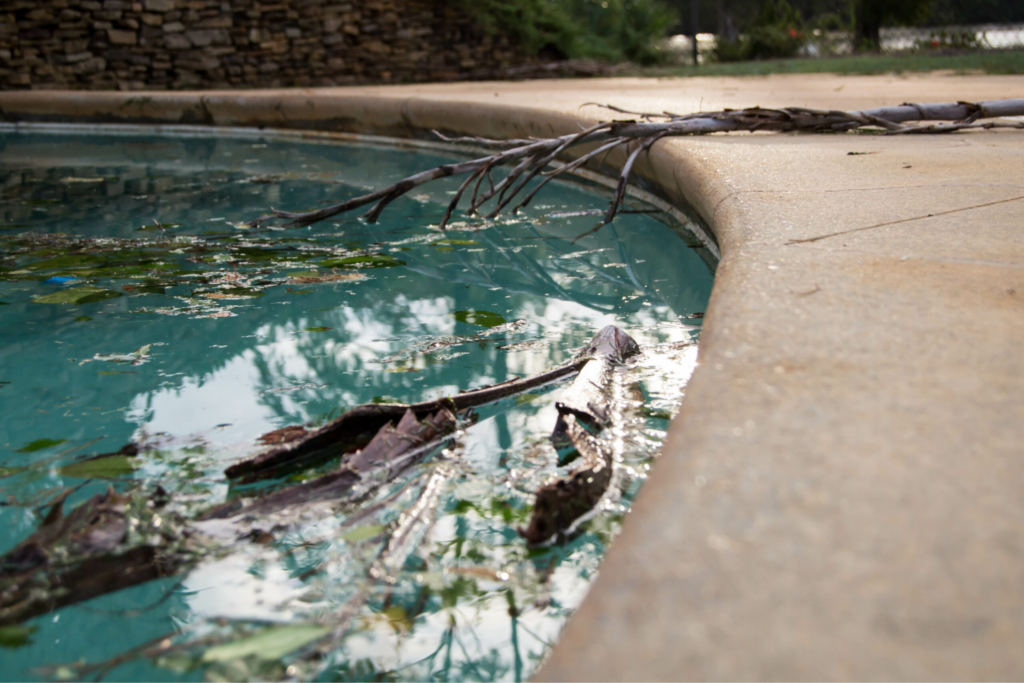
- A storm that adds large quantities of organic material and debris to the pool requires immediate post-event management to maintain water quality.
Preparing all three systems before storm season means each event is managed rather than damaging. Failing to prepare any one of them means each event has the potential to create problems that compound over the season.
Preparing Your Brisbane Home for Storms: Pool, Gutter, and Solar Panel Pre-Season Checks
The pre-season preparation window for Brisbane homeowners is September to early October, before the first significant storm events typically arrive. This gives enough time to arrange professional services, complete any repairs identified, and enter the storm season with all systems in their best condition.
Pool Pre-Season Checks
The swimming pool is often the outdoor feature that requires the most immediate post-storm management, but pre-season preparation significantly reduces the work that each storm event creates.
- Check pool equipment and safety systems. Before the storm season begins, confirm that all pool equipment is functioning correctly: the pump, the filter system, the automatic chlorinator or salt cell if installed, and any pool heating equipment. Ensure that all safety fencing, gates, and latches comply with Queensland pool barrier legislation, as storms can damage or displace pool fencing components.
- Review chemical balance and filtration capacity. A pool that enters storm season with balanced water chemistry and a clean, functioning filter is much easier to recover after a storm event than one with existing chemical imbalances or reduced filtration capacity. Have the water tested and balanced before October, and clean or backwash the filter as appropriate.
- Secure or remove loose pool equipment. Pool equipment, toys, chairs, umbrellas, and any other items stored around the pool area can become projectiles in high-wind storm events. Identify items that should be stored securely inside during forecast storms and establish a routine for doing so.
- Check drainage around the pool. Pool areas collect significant water during intense rain events. Confirm that drainage channels, grates, and scuppers are clear and functional before the season begins. Blocked pool area drainage can cause flooding that introduces sediment, garden material, and debris into the pool during and after storms.
Gutter Pre-Season Checks
The roof drainage system is typically the most maintenance-critical system for managing what storms do to the exterior of the home. A clean, functional gutter system directs rainfall away from the building. A blocked or compromised system directs it against the building, into the pool area, and onto any vulnerable surfaces nearby.
- Professional gutter clean and downpipe flush. The most important single pre-season action is a thorough professional clean that removes all debris from the gutter channel and flushes the downpipes clear of sediment. In Brisbane, where native vegetation sheds continuously, a gutter entering October without a clean may be carrying months of debris that will create immediate overflow in the first significant storm.
- Inspect gutter condition. Check that gutters are correctly pitched toward downpipes, that no sections are sagging or pulling away from the fascia, and that all joints are sealed without corrosion or gaps.
- Confirm downpipe outlets are clear and directing water away from the pool area. In homes where downpipes discharge near the pool boundary, confirming the outlet directs water away from the pool equipment and filtration intake helps prevent storm runoff from degrading pool water quality more than necessary.
Solar Panel Pre-Season Checks
Solar panels are a significant investment that are particularly exposed to storm season conditions in Brisbane. The combination of debris deposition from storms, hail risk, and increased spring bird activity means that panels entering the storm season in a soiled or compromised state face compounded performance challenges.
- Professional clean before storm season. A professional solar panel cleaning before October ensures the high-irradiance summer months begin with panels at peak output. The article at REA Solar on Australian rooftop solar provides useful context on why maximising generation during peak irradiance periods matters for system economics.
- Inspect panel surfaces for any existing damage. A visual inspection of accessible panel areas for cracks, delamination, or physical damage from previous hail or impact events provides a baseline condition record for any future insurance claims.
- Check mounting hardware condition. For Brisbane coastal and near-coastal properties, the salt air influence on mounting hardware is relevant, as covered in Gutter Gorilla’s article on whether sea air can affect solar panel performance.
Brisbane Storm Damage Prevention: Home Exterior Maintenance Checklist
Beyond the specific system checks above, several broader home exterior conditions affect how well the property manages storm events.
Roof and Structural Checks
The roof is the primary protection system for the entire building during a storm event. Before storm season, identify any visible roof damage from the previous year, including displaced tiles, lifted ridge capping, or sections of metal roofing showing corrosion. Any of these conditions can progress from a manageable maintenance item to a significant water entry point under storm conditions.
Flashing around penetrations, skylights, and parapet junctions should be checked for cracking or separation. These are the most common points at which sustained storm rainfall finds entry into buildings.
Tree and Vegetation Management
Branches that overhang the roof, the pool, or the solar panels are a pre-season management priority. During a storm, these branches deposit debris directly into the systems they overhang, and in high-wind events they can break and cause direct impact damage. Selective pruning before storm season reduces both the debris load each storm delivers and the risk of branch impact damage.
For Brisbane homeowners with large native trees adjacent to their property, contacting council for assessment of any street trees showing structural weakness before storm season can prevent storm damage from an unpruned hazard tree.
Pool Area Drainage Verification
A specific pre-season check for pool homeowners is confirming that the combined drainage capacity of the pool area, including the overflow drain, surface drainage, and any pump bypass systems, can manage the rainfall intensity a Brisbane storm produces. A pool area that floods significantly during storms can introduce contamination to the pool and pool equipment that takes days to resolve.
If previous storm seasons have produced pool flooding events, the drainage capacity of the pool area may need upgrading. A pool specialist or hydraulic plumber can assess whether the current drainage configuration is adequate.
Best Practices for Storm Preparedness for Brisbane Homeowners in 2026
The most effective storm preparedness combines the specific system checks above with broader home management practices that reduce storm impact across all outdoor systems simultaneously.
Establish a Pre-Storm Routine
When Brisbane’s Bureau of Meteorology issues a severe thunderstorm warning or a flood watch for the area, having a practiced routine for the period before the storm arrives makes the response automatic rather than reactive.
One hour before a forecast severe storm:
- Secure or move loose items around the pool and garden
- Ensure pool equipment electrical switches are accessible for shutdown if needed
- Check that gate latches on pool barriers are secured
- Confirm that gutters were recently cleaned and downpipes are clear
- If hail is forecast, confirm that any solar inverter isolators are accessible for emergency shutdown
Immediately after a storm:
- Check pool water for visible debris and assess colour and clarity as an initial indicator of water quality
- Inspect the pool area for any equipment damage or displaced fencing components
- Do a ground-level visual check of the gutterline for any visible overflow staining or displaced sections
- Check solar panel monitoring output on the next clear day for signs of debris deposition
Managing the Post-Storm Pool Recovery
The pool recovery after a Brisbane summer storm typically follows a predictable sequence: large debris is removed first, chemical testing follows (as heavy rain dilutes pool chemicals and may alter pH significantly), filtration is run at extended hours to clear finer suspended material, and equipment is checked for any effects of debris or flooding.
Brisbane homeowners with pools benefit from keeping a storm recovery kit that includes: a large leaf net, pH test kit and adjustment chemicals, a pool shock product, and a written note of the pool’s normal chemical parameters to target during recovery.
Ongoing Monitoring Through Storm Season
For solar panels, inverter monitoring through the storm season provides the most timely feedback on performance. A drop in output on clear days following a significant storm indicates debris deposition that has not been cleaned by post-storm rain.
For gutters, the simplest ongoing monitoring approach is a ground-level check of downpipe outlets during rain events and immediately after each significant storm.
Quick Tips for Brisbane Storm Season Preparedness
- Book professional gutter cleaning and solar panel cleaning appointments in September: October availability can be limited as demand peaks before storm season.
- After any hail event that produces visible surface damage elsewhere on the property, arrange a solar panel inspection before the next significant storm event.
- Keep your pool’s water balanced as closely as possible through storm season: pools with good chemical balance recover from storm contamination faster.
- Know the location of your pool equipment electrical isolators, your solar inverter isolators, and any whole-of-home emergency shutoffs before you need them.
- Document pre-season condition with photographs of all key systems so any storm damage can be clearly attributed to the event for insurance purposes.
Frequently Asked Questions
When is Brisbane’s storm season?
Brisbane’s storm season runs from approximately October through to March, with the most intense activity concentrated in December, January and February.
When should I prepare my pool, gutters and solar panels for storm season?
The recommended preparation window is September to early October, before the first significant storms typically arrive. This allows enough time to book professional services and complete any repairs before the season starts.
What should I check on my pool before storm season?
Confirm pool equipment (pump, filter, chlorinator, heating) is working correctly, that safety fencing and gates meet Queensland pool barrier requirements, that water chemistry is balanced, and that pool area drainage is clear.
Do I need to clean my gutters before storm season?
Yes. A professional gutter clean and downpipe flush before storm season is one of the most important pre-season actions, since accumulated debris can cause immediate overflow in the first significant storm.
How do storms affect solar panel performance in Brisbane?
Storms can deposit debris, leaves and grime on solar panels, reducing light transmission and output. A professional clean before October and an inspection after any major storm helps recover lost performance quickly.
What should I do immediately after a storm hits Brisbane?
Check pool water clarity, inspect the pool area for equipment or fencing damage, visually check gutters for overflow staining, and review solar panel monitoring output on the next clear day for signs of debris-related performance loss.
Brisbane’s storm season is a manageable period for homeowners who prepare systematically and maintain the outdoor systems that storms test most severely. The pool, gutter, and solar systems each have specific pre-season requirements and post-event management needs that, when addressed consistently, mean each storm season is navigated with minimal disruption and repair cost rather than maximum.
Protect your pool before Brisbane’s next storm. Contact Cyberpools today for expert advice on pool design, maintenance, and storm-ready solutions that help keep your investment in top condition year-round. Call 1300 473 691 or visit the Cyberpools contact page to speak with our friendly team and get started.
