
If you’re planning a new pool, chances are you’ve come across the debate around fiberglass pools vs concrete pools. It’s one of the most common questions Queensland homeowners ask—and for good reason. Your pool isn’t just a feature; it’s an investment in your lifestyle, your home value, and how you enjoy our long, warm seasons.
So, let’s break it down in a straightforward, no-nonsense way—like we would if we were chatting with you in your backyard.
Understanding Fiberglass Pools vs Concrete Pools
When comparing fiberglass pools vs concrete pools, it really comes down to flexibility, durability, and long-term performance in Queensland conditions.
Here’s a simple way to look at it:
- Fibreglass pools are pre-moulded shells installed into your yard
- Concrete pools are fully custom-built on-site
- Concrete pools adapt better to complex blocks, slopes, and tight access
- Fibreglass pools are limited to factory-made shapes and sizes
In Australia, especially with our soil movement and strong UV exposure, these differences matter. Many homeowners researching fiberglass pools vs concrete pools australia quickly realise that concrete pools offer more control and long-term reliability.
Design Freedom and Customisation
One of the biggest advantages of concrete pools is flexibility.
With concrete, you can:
- Design any shape, size, or depth
- Add features like spas, ledges, or beach entries
- Match your pool seamlessly to your home and landscaping
- Choose from a wide range of finishes and textures
When comparing concrete vs fibreglass pool Australia, fibreglass simply can’t match this level of customisation. If you have a specific vision, concrete gives you the freedom to bring it to life.
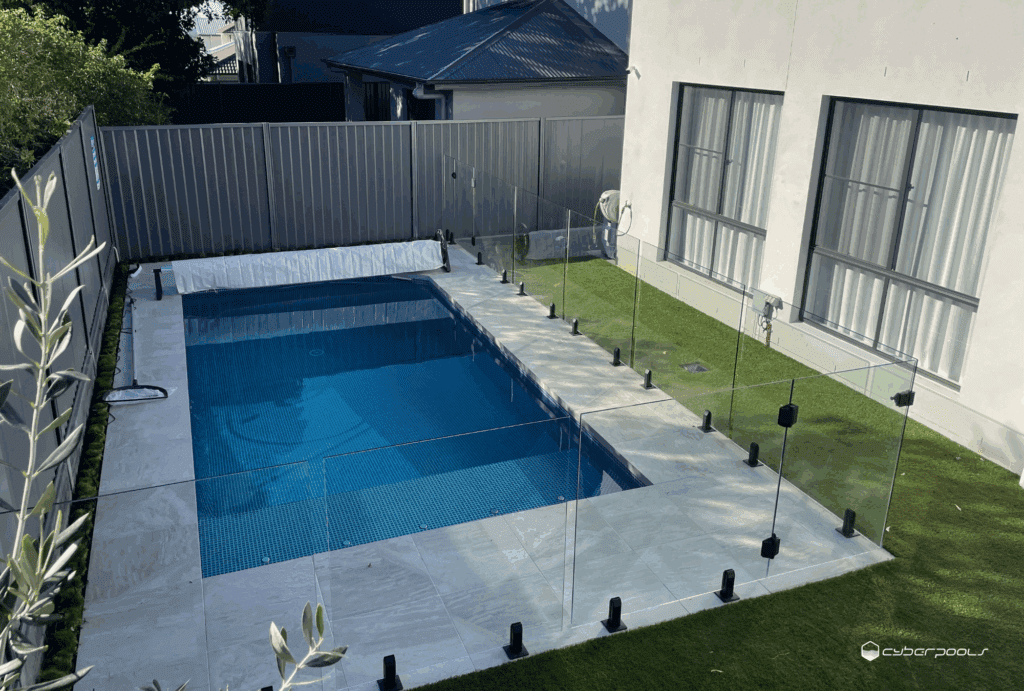
Fiberglass Pools vs Concrete Pools Pros and Cons
Looking at fiberglass pools vs concrete pools pros and cons, it helps to break things down clearly.
Fibreglass pool advantages:
- Faster installation
- Smooth surface with lower initial maintenance
- Factory-controlled manufacturing
Fibreglass pool limitations:
- Limited shapes and sizes
- Potential for fading or surface damage
- Less flexibility for repairs or upgrades
Concrete pool advantages:
- Fully custom design
- Strong and durable structure
- Can be resurfaced and updated over time
When reviewing fiberglass pools vs concrete pools pros and cons, many Queensland homeowners lean towards concrete for its long-term flexibility and durability.
Disadvantages of Fiberglass Pools
It’s important to be clear about the disadvantages of fiberglass pools so you can make a confident decision.
Some key considerations include:
- Susceptibility to fading from Queensland’s harsh sun
- Risk of movement or warping in reactive soils
- Repairs can be more noticeable and complex
- Limited ability to modify or expand later
- Fixed designs may not suit every backyard
These factors often come up in discussions around fiberglass pools vs concrete pools australia, especially when homeowners are thinking long-term.
Cost Considerations Without the Guesswork
You’ve probably searched for fiberglass pools vs concrete pools cost or fiberglass pools vs concrete pools cost Australia. While upfront cost matters, it’s only part of the picture.
Here’s what to keep in mind:
- Concrete pools often have higher initial costs but better longevity
- Fibreglass pools may seem cheaper upfront but offer less flexibility
- Concrete pools can be renovated instead of replaced
- Long-term value often favours concrete systems
When people look into fiberglass pools vs concrete pools price, they often realise the real difference lies in lifespan and adaptability—not just installation.
Why More Queensland Homeowners Are Choosing Concrete
When comparing concrete vs fibreglass pool Australia options, concrete continues to stand out.
Here’s why:
- Greater control over design and layout
- Better suited for unique or challenging sites
- Longer lifespan with the option to resurface
- Ideal for premium features like magnesium systems
And when considering fiberglass pools vs concrete pools cost, many homeowners see concrete as a smarter long-term investment.
Why Trust Cyberpools?
Choosing the right builder makes all the difference—and that’s where Cyberpools comes in.
Here’s why Queensland homeowners trust Cyberpools:
- Specialists in magnesium and concrete pool systems
- Designs tailored specifically for Queensland conditions
- Focus on durability, quality, and long-term performance
- Health-focused magnesium pools that are gentler on skin and eyes
- Strong reputation built on experience and results
Cyberpools doesn’t believe in one-size-fits-all solutions. They work with you to create a pool that fits your space, your lifestyle, and your vision.
Ready to Build Your Pool?
Still deciding between fiberglass pools vs concrete pools? The best next step is to speak with experts who understand your needs.
👉 Call 1300 473 691
👉 Contact Cyberpools today to get started
Whether you’re after a custom concrete pool or a premium magnesium system, the team at Cyberpools will guide you every step of the way.
FAQs
What is better, fiberglass or concrete pools?
The choice between fiberglass and concrete pools depends on your priorities, but concrete pools generally offer more flexibility and durability. Concrete allows for fully customised designs, making it ideal for unique backyard layouts. Fibreglass pools are quicker to install but come in fixed shapes and sizes. In Queensland conditions, concrete pools often perform better over time due to their structural strength. Many homeowners prefer concrete for its long-term value and adaptability.
What is the downside of a fiberglass pool?
One of the main downsides of fibreglass pools is the limitation in design and size options. They are manufactured as pre-formed shells, which means less flexibility for customisation. Over time, the surface can fade or develop cracks, particularly under strong UV exposure. Repairs can also be more difficult and noticeable compared to concrete. Additionally, ground movement can affect the structural integrity if not properly managed during installation.
What is the healthiest kind of pool?
Magnesium pools are widely considered one of the healthiest pool options available. They use magnesium minerals that are gentle on the skin, eyes, and hair. This type of pool can help reduce irritation often associated with traditional chlorine systems. Magnesium pools are also known for their potential wellness benefits, including muscle relaxation and improved hydration. Many Queensland homeowners are now choosing magnesium systems for a more comfortable swimming experience.
What happens to a fiberglass pool after 25 years?
After 25 years, a fibreglass pool may begin to show signs of wear such as fading, surface deterioration, or structural issues. The gel coat finish can degrade due to prolonged exposure to sunlight and chemicals. In some cases, repairs or resurfacing may be required to maintain its appearance and function. Unlike concrete, which can be renovated, fibreglass pools have more limited upgrade options. This is why long-term durability is an important factor when choosing between pool types.
